
Article
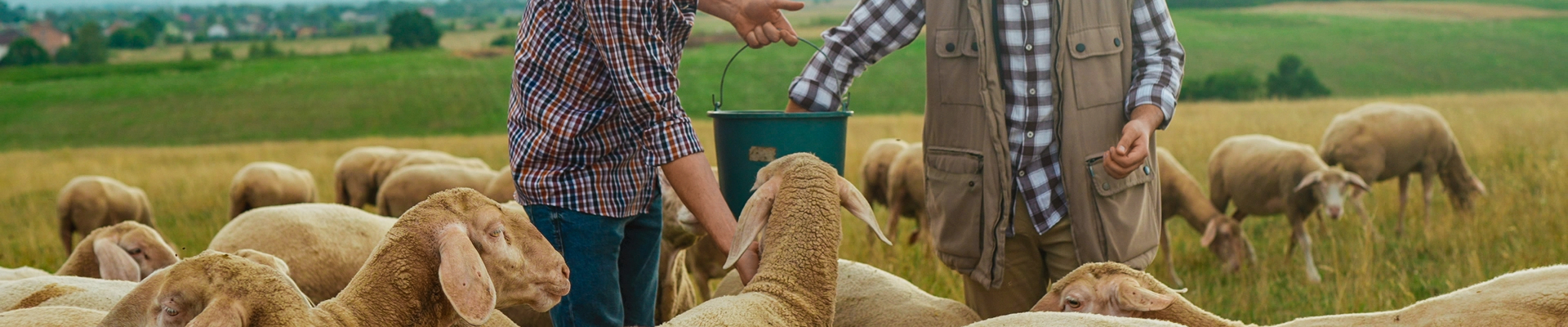
Understanding Coccidiosis: A Threat to Livestock Health
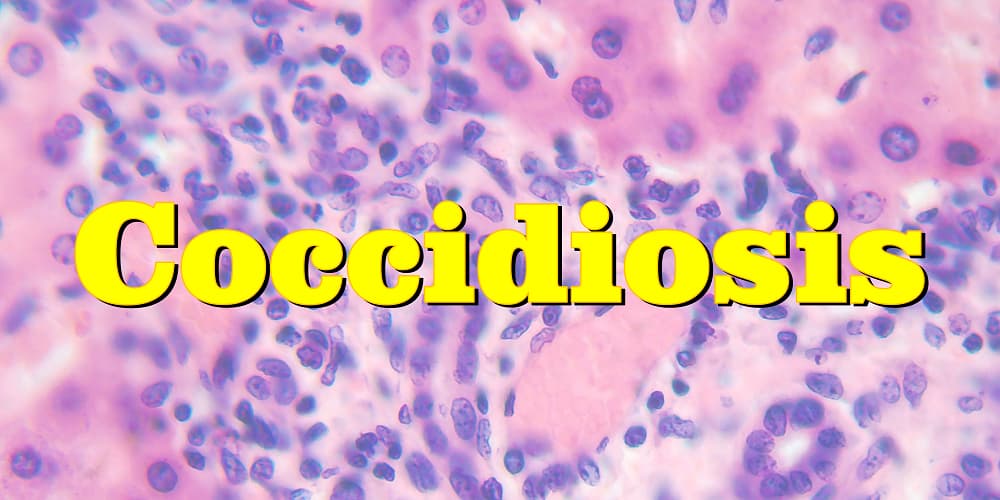
Coccidiosis is a common intestinal parasitic disease in livestock that can lead to diarrhea, poor growth, reduced feed efficiency, and production losses, especially in young animals. This article explains its causes, symptoms in chickens, pigs, and other livestock, as well as practical approaches to diagnosis, treatment, prevention, and gut health management.
What is Coccidiosis?
Coccidiosis is caused by microscopic protozoan parasites known as coccidia. In poultry and most livestock, important species belong to the genus Eimeria. In neonatal piglets, however, Cystoisospora suis, formerly called Isospora suis, is a major cause of coccidiosis.
Coccidia are parasites, not bacteria or viruses. They invade intestinal cells and can damage the gut lining, interfere with nutrient absorption, and trigger diarrhea and poor growth. Most coccidia are also host-specific, meaning the important species differ among chickens, pigs, cattle, and other livestock.
Coccidiosis Symptoms at a Glance
Common coccidiosis symptoms include diarrhea, poor appetite, lethargy, dehydration, and reduced growth. However, the appearance and severity of disease vary by livestock species, age, coccidia species, and the part of the intestine affected.
Coccidiosis Signs by Livestock Species
| Livestock | Common Signs | Key Difference |
|---|---|---|
| Chickens | Diarrhea, poor appetite, lethargy, weight loss | Droppings may be watery, mucoid, or bloody |
| Pigs | Pale or yellow diarrhea, dehydration, poor growth | Young piglets are commonly affected by Cystoisospora suis |
| Cattle | Diarrhea, poor growth, reduced feed efficiency | Subclinical infection may mainly reduce performance |
| Sheep & goats | Diarrhea, poor appetite, poor growth | Young lambs and kids are more susceptible |
(Mobile users can swipe the table left and right)
Coccidiosis in Chickens
Symptoms
Coccidiosis in chickens may cause watery or mucoid diarrhea, reduced feed intake, lethargy, ruffled feathers, poor growth, and weight loss. Depending on the Eimeria species and intestinal area affected, some birds may also develop bloody droppings or severe intestinal damage.
However, reddish droppings do not always indicate coccidiosis, as normal sloughed intestinal tissue may sometimes appear pink or red. When abnormal feces occur together with poor appetite, lethargy, weight loss, or increased mortality, further diagnosis is recommended.
Diagnosis
Chicken coccidiosis can be evaluated through flock history, clinical signs, fecal examination, and characteristic intestinal lesions at necropsy. Finding oocysts alone does not necessarily indicate severe clinical disease, so results should be interpreted together with feed intake, growth, morbidity, mortality, and lesion severity.
〈Related Articles: How to Prevent and Control Necrotic Enteritis in Poultry to Boost Farm Productivity〉
Treatment
Treatment usually involves an appropriate anticoccidial medication together with supportive flock management. During clinical outbreaks, treatment delivered through drinking water may be useful because severely affected chickens often reduce their feed intake.
Approved anticoccidials and treatment protocols vary by country and production system. Clean water, dry litter, lower environmental contamination, and management of secondary intestinal problems should also accompany medication.
Coccidiosis in Pigs
Symptoms
Piglet coccidiosis is commonly associated with Cystoisospora suis and often develops during the first few weeks of life. Typical signs include creamy or whitish feces that may progress to watery yellow diarrhea, dehydration, poor body condition, and reduced weight gain.
Unlike some forms of coccidiosis in chickens, bloody diarrhea is not a typical defining sign in young piglets. Persistent diarrhea and uneven growth within the litter are therefore particularly important signs to monitor.
Diagnosis
In piglets, age and clinical pattern are important because diarrhea may appear before large numbers of oocysts are detectable in feces. Fecal examination, intestinal smears, histology, or other diagnostic methods may therefore be required to distinguish coccidiosis from bacterial, viral, and other enteric diseases.
Treatment
Affected piglets may require appropriate anticoccidial treatment together with fluid and electrolyte support when dehydration occurs. Because littermates and animals sharing the same contaminated farrowing environment may also be exposed, management should consider the entire group rather than only visibly affected piglets.
Treatment options such as toltrazuril, sulfonamides, or other anticoccidials vary according to local approval and veterinary guidance. Thorough cleaning and drying of farrowing areas should also accompany treatment to reduce continued exposure.
Coccidiosis in Cattle, Sheep and Goats
Symptoms
Coccidiosis mainly affects young calves, lambs, and kids, causing diarrhea, reduced appetite, poor growth, and lower feed efficiency. Some cattle infections remain subclinical, meaning reduced growth or production performance may appear before obvious diarrhea or other severe signs.
Diagnosis
Coccidiosis in cattle, sheep, and goats is evaluated through clinical signs, animal age, herd or flock history, and fecal examination. Because coccidian oocysts may also be found in animals without clinical disease, a positive fecal test alone does not confirm coccidiosis. In severe or uncertain cases, intestinal lesions may support diagnosis, while other causes of diarrhea, such as bacterial infections and internal parasites, should also be ruled out.
Treatment
Clinical cases may require approved anticoccidial medication, adequate hydration, clean feed and water, and a dry environment. Severely affected animals that reduce their feed or water intake may require individual treatment rather than relying only on group-level medication.
Because treatment approvals differ between cattle, sheep, and goats, producers should follow veterinary recommendations and locally approved product labels.
Cause and Transmission
- How coccidiosis spreads: Infected animals shed coccidian oocysts in feces, which can contaminate litter, soil, feed, water, housing, and equipment. Under suitable moisture, oxygen, and temperature, the oocysts become infective and enter another animal through ingestion.
- Risk factors: High stocking density, wet litter, contaminated feeders or drinkers, poor sanitation, and stresses such as weaning, transportation, or feed changes can increase the risk of clinical coccidiosis. Young or susceptible animals exposed to high numbers of infective oocysts are particularly vulnerable.
- Production impact: Intestinal damage caused by coccidiosis can reduce nutrient absorption, weight gain, and feed efficiency while increasing treatment and management costs. In poultry alone, a global study estimated the annual economic burden of coccidiosis at approximately £10.4 billion at 2016 prices.
(1).jpg)
Coccidiosis Prevention
Coccidiosis prevention focuses on reducing environmental oocyst pressure and limiting repeated exposure. Good sanitation, moisture control, stocking management, and appropriate vaccination or anticoccidial programs should work together rather than relying on a single measure.
1. Keep Housing Clean and Dry
Keep poultry litter dry and loose, repair leaking drinkers, prevent fecal contamination around feeders, and maintain proper ventilation and stocking density. For pigs, thoroughly remove manure and organic material from farrowing and rearing areas between groups and allow surfaces to dry. Cattle operations should regularly remove manure buildup and prevent fecal contamination of feed bunks and water sources.
2. Reduce Reinfection Between Groups
Remove organic material before disinfection, clean equipment and housing between production cycles, and allow surfaces to dry thoroughly. Steam or heat treatment may be considered where appropriate, while all-in/all-out production, good drainage, clean drinking systems, and adequate downtime between groups can further reduce environmental oocyst pressure.
3. Vaccination and Anticoccidial Programs
Poultry farms may use vaccination, preventive anticoccidials, or rotation programs according to their production system. Avoid relying continuously on the same anticoccidial strategy, and coordinate live coccidiosis vaccines carefully with medicated feed because some coccidiostats may interfere with the parasite cycling needed to develop vaccine-induced immunity.
4. Preventive Feed Additives
Non-drug feed additives can also be incorporated into a preventive coccidiosis management program, particularly when they help maintain intestinal integrity or interfere with the coccidian life cycle. They should complement—not replace—sanitation, vaccination, anticoccidial programs, and appropriate veterinary treatment.
For example, postbiotic additives containing Surfactin can be used through feed or drinking water to support gastrointestinal health. Life Rainbow Biotech's Muco-defen® is designed to inhibit the sporulation of coccidian oocysts while supporting intestinal mucosal integrity and microbial balance, making it suitable for routine gut-health programs and periods of increased intestinal challenge.
〈Related Article: What Are Feed Additives and How Do They Benefit Livestock?〉
Muco-defen® for Gut Health Support
Maintaining intestinal health is an important part of livestock management when animals face coccidial and other enteric challenges. Life Rainbow Biotech's Muco-defen® contains Surfactin, a postbiotic produced through patented Bacillus fermentation.
According to Life Rainbow Biotech's product information, Muco-defen® helps inhibit coccidian oocyst sporulation while supporting intestinal mucosal integrity and gastrointestinal health. It is available in both feed and water-soluble formats for different production and management needs.
〈Related Article: What is Surfactin? Exploring Its Mechanism of Action and Benefits〉
Muco-defen® Feed Type
- Routine feeding: Easily incorporated into daily feed programs for ongoing gut health management.
- Intestinal support: Helps inhibit coccidian oocyst sporulation and maintain intestinal mucosal health.
- Livestock application: Suitable for poultry and swine programs, with applications for other livestock according to production needs.
〈Related Product: Muco-defen®〉
Muco-defen® Water-Soluble Type
- Flexible application: Can be administered through drinking water when farms require greater feeding flexibility.
- Transition support: Suitable for periods such as post-weaning, feed changes, seasonal stress, or gastrointestinal challenges.
- Multiple stages: Can be incorporated into gut health programs at different production stages according to recommended use.
〈Related Product: Muco-defen® (water-soluble)〉
(1).jpg)
For poultry and swine producers, the feed type is suitable for routine dietary programs, while the water-soluble type offers greater flexibility during periods of intestinal or production stress. Muco-defen® is designed to complement broader coccidiosis and gut health management rather than replace veterinary diagnosis or approved treatment. Contact Life Rainbow Biotech to discuss the appropriate format and application based on animal species, production stage, and feeding system.
Coccidiosis FAQs
What are 5 symptoms of coccidiosis?
Five common signs are diarrhea, reduced feed intake, poor growth or weight loss, lethargy, and dehydration. Poultry may also show ruffled feathers or bloody droppings, while young piglets more commonly develop creamy, whitish, or watery yellow diarrhea.
What is the cause of coccidiosis?
Coccidiosis is caused by protozoan parasites called coccidia. Animals become infected after ingesting sporulated oocysts from feces-contaminated litter, soil, feed, water, or equipment. Warm, moist environments and high contamination levels increase the risk of clinical disease.
Is coccidiosis a bacterial or viral disease?
Neither. Coccidiosis is a protozoal parasitic disease. Poultry and many livestock species are mainly affected by Eimeria, while neonatal piglet coccidiosis is commonly associated with Cystoisospora suis.
What does coccidiosis poop look like in chickens?
Chicken coccidiosis may cause watery, mucoid, or bloody droppings depending on the Eimeria species and severity of intestinal damage. However, reddish sloughed intestinal tissue can sometimes resemble blood, so fecal appearance alone cannot confirm coccidiosis.
How do you get rid of coccidia in chickens?
Control usually combines appropriate diagnosis and anticoccidial treatment with dry litter, clean feeders and drinkers, lower environmental contamination, and an effective prevention program. Vaccination or preventive anticoccidials may also be used depending on the production system.
What naturally kills coccidia?
There is no natural feed ingredient that should be considered a proven cure for clinical coccidiosis. Environmental control through cleaning, drying, heat or steam treatment where appropriate, and reducing fecal contamination can lower oocyst pressure and reduce reinfection.
Conclusion
Coccidiosis can affect growth, feed efficiency, and overall livestock performance, but symptoms and disease patterns differ among chickens, pigs, cattle, sheep, and goats. Effective control requires early identification, appropriate treatment, dry and clean housing, reduced environmental contamination, and suitable vaccination or anticoccidial programs.
Supporting intestinal health can further strengthen long-term herd and flock management. Muco-defen® feed and water-soluble solutions provide flexible options for poultry and swine producers facing different feeding stages and gut health challenges. Contact Life Rainbow Biotech to discuss an application strategy suited to your livestock and production system.
〈Related Article: Elevate Livestock and Poultry Health with Postbiotic-Surfactin Supplement 〉
Reference:
Coccidiosis — the Scourge of Chicks and Poults
Managing Chicken Coccidiosis in Small Flocks During Summer
Coccidiosis
Coccidiosis in Poultry
Coccidiosis Treatment and Prevention in Cattle
Use of live vaccines for coccidiosis control in replacement layer pullets
Anti-parasitic activity of polyether ionophores
Coccidiosis infection and growth performance of broilers in experimental trials: insights from a meta-analysis including modulating factors
Longitudinal Characterization of Coccidiosis Control Methods on Live Performance and Nutrient Utilization in Broilers
Anticoccidial drugs of the livestock industry

Liferainbow
Life Rainbow Biotech is a manufacturer with R&D of antibiotic-free feed additives. We focus on mycotoxin solution, intestinal pathogen control, immune enhancement and aqueous nutrition supplement.

Article Classification
Recent Articles
- Feed Conversion Ratio (FCR): Formula, Factors, and Ways to Improve Feed Efficiency
- Avian Immune System: Why Balance Matters More Than Immune Stimulation?
- Understanding Coccidiosis: A Threat to Livestock Health
- Understanding the Avian Respiratory System: Barrier Risks and Relief Strategies
- Reproductive System of a Sow and How to Improve Breeding Rates