
Article

Strategic Care for Chicken in Cold Weather: Combating Poultry Viral Diseases
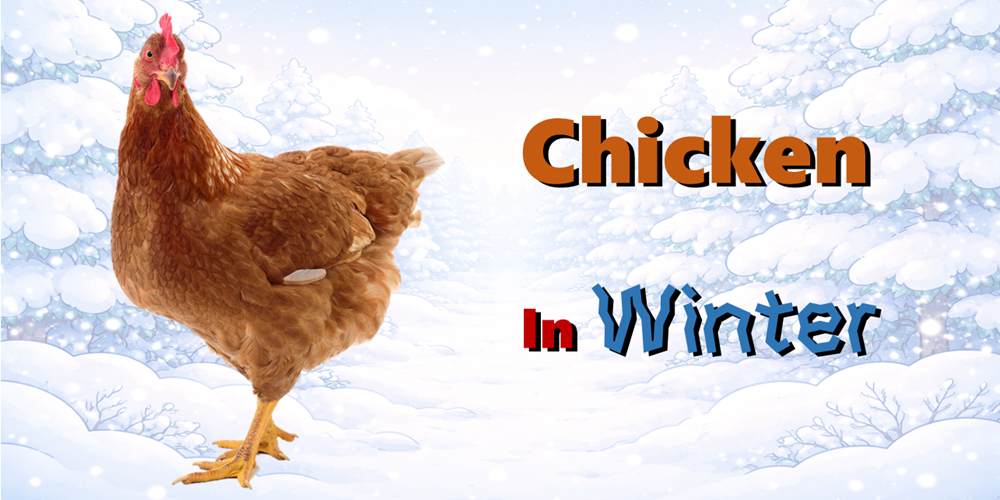
Winter brings a unique set of challenges to modern poultry production, especially in open or poorly insulated houses. As temperatures drop, chickens expend more energy just to maintain body heat, which diverts nutrients away from growth, egg production, and immune function. Prolonged cold stress elevates corticosterone, suppresses immunity, and makes flocks more susceptible to respiratory and enteric pathogens, including major viral diseases such as avian influenza (AI) and infectious bursal disease (IBD). In many regions, winter also coincides with peak avian influenza activity, further amplifying the risk of severe outbreaks and economic loss if environmental and biosecurity measures are not carefully managed.
Cold Stress and Disease Risk for Chicken in Cold Weather
Cold stress affects chickens on multiple levels, creating a clear chain from low temperature to physiological strain and, ultimately, higher disease risk. When birds are exposed to prolonged cold, they increase feed intake and metabolic heat production just to maintain body temperature, which raises energy demands and can impair growth and egg output. At the same time, chronic cold elevates stress hormones and disrupts immune homeostasis, weakening both cellular and humoral responses. This immunosuppression leaves flocks more vulnerable to viral pathogens such as AI and IBD, where even moderate viral exposure can trigger more severe clinical signs and higher mortality under cold, stressful conditions.
Recognizing Cold Stress Signs in Chickens
When chickens are exposed to cold stress, they often huddle tightly together, become less active, and spend more time near heat sources, which can increase piling and smothering risk. Physiologically, cold-stressed birds may show reduced feed efficiency, faster breathing, and shivering as they try to generate more body heat. Externally, farmers may notice ruffled feathers, pale or slightly discolored combs and wattles, and in severe cases frostbite on extremities, all of which signal the need for immediate environmental and management adjustments.
The Immune Cost of Cold Weather
Under cold stress, chickens reprioritize how they use metabolic energy, diverting nutrients away from immune defense toward heat production and basic maintenance. Instead of supporting lymphoid organs and antibody synthesis, more energy is allocated to shivering thermogenesis, increased muscle activity, and elevated basal metabolism to keep body temperature within a safe range. This trade‑off reduces the resources available for both innate and adaptive immune responses, compromising vaccine take, weakening resistance to viral pathogens such as avian influenza or infectious bursal disease, and ultimately increasing morbidity and mortality in cold conditions.
Cold and Viral Vulnerability
Cold weather creates ideal conditions for respiratory viruses to invade poultry flocks by weakening the first line of defense in the airways. Low temperatures and chilling reduce blood flow and mucous secretion in the upper respiratory tract, impairing ciliary activity and the clearance of inhaled particles, including viruses. As a result, pathogens such as AI virus can more easily attach to and penetrate epithelial cells, while cold, dense air favors closer housing and higher stocking density, further enhancing viral transmission via droplets and contaminated dust in winter.
Recognizing and Mitigating Specific Viral Threats
Winter heightens risks for devastating poultry viruses like avian influenza (AI), Newcastle disease (ND), infectious bronchitis (IB), and infectious laryngotracheitis (ILT). AI often shows sudden deaths, cyanotic combs, and nasal discharge, thriving in cold due to prolonged environmental survival. ND brings respiratory distress and nervous signs like tremors, while IB causes coughing and egg drop with watery feces. ILT, caused by a herpesvirus, leads to severe respiratory signs—gasping, coughing of bloody mucus, and high mortality in unprotected flocks. Mitigate through strict biosecurity, all-in-all-out systems, timely vaccination per veterinary protocols, and monitoring for early culling to curb spread.
Avian Influenza (AI) Risk in Cold Conditions
AI virus (AIV) thrives in cold environments, surviving longer on surfaces and in water at low temperatures, which boosts its transmission via contaminated litter, dust, and aerosols in winter barns. Highly pathogenic AI (HPAI) causes rapid flock mortality with cyanosis and swelling, while low-pathogenic AI (LPAI) leads to milder respiratory issues and egg drops. Prioritize excluding wild birds from poultry houses and rigorous environmental disinfection. Vaccines exist in some regions but offer limited cross-protection against variants, making biosecurity essential.
Newcastle Disease: Vaccination and Winter Risk
ND presents with severe respiratory signs like gasping, coughing, and nasal discharge, alongside neurological symptoms such as tremors, torticollis, and paralysis in affected flocks. In winter, cold stress can erode maternal antibodies, so routinely check vaccine titers through serological testing to assess immunity gaps. Based on flock status, administer booster vaccinations via drinking water or eye-drop methods at strategic intervals, ensuring uniform coverage to rebuild protection before outbreaks occur.
Infectious Bronchitis (IB) and Respiratory Distress
IB virus (IBV) triggers severe respiratory signs in chickens, including coughing, sneezing, tracheal rales from thick mucus buildup, conjunctivitis, and labored breathing that can persist 10–14 days with near-100% flock morbidity. Nephropathogenic strains cause kidney inflammation, wet droppings, polydipsia, and elevated mortality, while layers face up to 70% egg production drops with thin, wrinkled shells and watery whites. High humidity and poor ventilation trap ammonia and moisture, worsening irritation and secondary infections; focus on strong airflow, dry litter, and ammonia control below 20 ppm to limit damage. Because IBV constantly mutates and spreads rapidly within flocks, maintaining a well-planned vaccination program is crucial to establish flock immunity, reduce viral load, and prevent severe production losses.
Infectious Laryngotracheitis: Transmission and Prevention
ILT causes gasping, coughing with bloody mucus, conjunctivitis, nasal discharge, and severe respiratory distress in affected birds. The virus spreads mainly via aerosols, respiratory droplets, contaminated equipment, and personnel, and reused vaccine strains can circulate horizontally within a flock, leading to rapid farm-wide transmission and high mortality. Strict biosecurity, controlled movement of people and vehicles, and well-designed vaccination programs using attenuated or recombinant vaccines under veterinary guidance are essential to effectively control ILT.
Differentiating Viral from Bacterial Illnesses
Viral poultry diseases spread explosively with near-100% morbidity, causing sudden onset of diffuse symptoms like gasping, nasal discharge, cyanosis, or paralysis, but baseline mortality stays low (5-20%) unless secondary infections hit—think AI's rapid deaths or IB's mucus without pus. Bacterial cases build slower with focal yellow pus, caseous airsacculitis, or organ exudates (e.g., E. coli perihepatitis), often killing 20-50% of young birds via localized damage. Managers: Check speed, lesion color (clear vs. yellow), and necropsy—viruses demand isolation/vaccines, bacteria need antibiotics post-lab confirmation.
Optimizing Habitat for Chicken in Cold Weather
Optimizing the physical poultry house environment stands as the first critical line of defense against cold stress and viral threats. Well-insulated walls, ridge vents, and side curtains maintain temperatures above 10°C (50°F), preventing energy diversion from immunity to thermoregulation. Adequate space (at least 0.1 m²/bird) reduces huddling and smothering, while 20-30 lux lighting for 16 hours daily supports feeding and activity without added stress. Dry litter via proper drainage and turning absorbs moisture, curbing ammonia below 20 ppm to protect respiratory defenses—essential for minimizing immunosuppression and viral susceptibility in winter flocks.
Draft-Free Ventilation for Chicken Coops
Effective winter ventilation balances fresh air exchange with cold protection by using adjustable side curtains or windbreaks to block direct drafts while allowing cross-breezes at bird height. Install ridge vents and ceiling fans to expel humid, ammonia-laden air upward, preventing moisture buildup that fosters respiratory pathogens. Position inlets low and outlets high for uniform airflow (0.1-0.2 m/s), monitoring CO2 below 3,000 ppm and humidity at 50-70%—this keeps litter dry, airways clear, and cold stress low without stagnant conditions that amplify viral risks like IB or AI.
Safe Supplemental Heat Protocols
Auxiliary heating devices like brooders or infrared lamps must follow strict safety protocols to prevent fires or overheating disasters. Mount lamps 60-90 cm above birds with wire guards, ensuring 10-15 cm clearance from walls and never exceeding 30°C floor temps. Use grounded, weatherproof wiring inspected weekly for frays, with automatic shutoffs and thermostats set to 21-24°C air temp. Monitor continuously via alarms for CO buildup or shorts—poor installation causes 20% of winter barn losses, so train staff and test backups daily.
Fighting Cold Weather Dehydration
Cold weather slashes chickens' water intake as they shun icy drinkers, risking dehydration that compounds cold stress and weakens immunity—despite needing 1.5-2x more water for heightened metabolic heat production via digestion and oxidation. Chilly air drops drinker temps below 10°C, triggering avoidance, so counter by heating lines or troughs to 15-20°C, adding electrolytes/vitamins for appeal, and using bell drinkers with floats—plus wet mash twice daily to ensure hydration, gut health, and resilience against winter viruses.
Nutrition & Biosecurity: Dual Defense Against Viral Diseases
A dual strategy of external biosecurity and internal nutrition fortifies flocks against winter viruses. Externally, enforce footbaths, vehicle disinfection, and all-in-all-out systems to block virus entry, while netting excludes wild birds. Internally, increase feed energy by 10-15% (fats, fibers) plus vitamins and minerals, and add immune-boosting functional additives like Ganoderma and Cordyceps to enhance lymphocyte activity, antibody production, and gut barriers against cold-induced immunosuppression. This cuts viral shedding and stabilizes production.
Biosecurity Protocols: External Viral Barrier
Establishing strict perimeter isolation and disinfection barriers around farms is crucial to block external pathogen entry into poultry houses. Install 2-meter fencing with anti-climb tops, gravel-free zones, and wild bird netting to deter vectors carrying the virus. Mandate footbaths with virucidal disinfectants prepared at concentrations recommended by the supplier, vehicle sprays, and dedicated farm clothing—changed daily—to eliminate fomites from roads or wild areas. Daily perimeter patrols and UV-treated gates create a robust outer shield, reducing invasion risk during high winter viral seasons.
Quarantine, Disinfection, and Symptom Actions
All-in-all-out systems batch flocks by age, clearing houses completely between cycles for full disinfection, breaking viral transmission chains. Regular cleaning with bleach or approved virucides on walls and equipment, drying for a period of time to kill pathogens. Suspect viral signs? Isolate suspects immediately, swab for PCR testing, stop all movements, alert vets/authorities, and cull positives per protocol—swift action contains outbreaks within a short time.
Nutritional Support for Cold Resilience
Adjust winter diets by increasing energy density 10-15% through added fats and fibers, compensating for higher heat production demands without excessive feed volume. Boost vitamins A, E, C, and selenium to counter oxidative stress and restore immune function suppressed by cold. Include amino acids like methionine for feather insulation and protein synthesis—such formulations maintain growth, egg output, and viral resistance despite 20-30% elevated energy needs.
Strengthening Internal Defense with Feed Additives
Functional feed additives like immune modulators offer a premium market edge beyond basic nutrition, targeting innate immunity weakened by cold stress. Fermented Cordyceps militaris extracts, rich in polysaccharides and nucleosides, activate macrophages and NK cells, regulate cytokines, and strengthen immune barriers—cutting viral loads in challenged flocks. Ideal for forward-thinking producers facing winter AI or IB surges, these tools reduce antibiotic needs, enhance resilience, and deliver ROI through consistent egg/meat output.
Easy-immune® Support: Safeguarding Chicken in Cold Weather Against Poultry Viral Diseases
Beyond environmental and nutritional defenses, Easy-immune® delivers targeted, professional immune support tailored for winter viral threats. Its fermented Cordyceps militaris extract, packed with polysaccharides and nucleosides, activates immune cells and interferes with virus replication while regulating cytokine responses to combat diseases. This specialized modulation strengthens innate barriers, reduces inflammation from cold stress, and cuts secondary infections—ensuring flocks maintain production without heavy antibiotic reliance. Producers gain a precise tool for resilience, bridging basic care with elite performance in harsh seasons.
Cordyceps for Viral Replication Interference
Cordycepin, the core Cordyceps nucleoside in Easy-immune®, acts as a nucleoside analogue structurally similar to viral nucleotides, allowing it to compete for incorporation during viral genome synthesis and prematurely terminate nucleotide chain elongation, thereby interrupting viral replication inside host cells. This structural competition at the polymerase level reduces the number of complete viral particles produced, while accompanying Cordyceps polysaccharides support immune cell activity, creating a combined antiviral and immunomodulatory effect that helps birds better withstand winter viral challenges.
Anti-Inflammation and Faster Recovery
Easy-immune®'s Cordyceps nucleosides and polysaccharides exhibit anti-inflammatory activity by downregulating pro-inflammatory cytokines TNF-α, IL-6, and IL-1β while upregulating anti-inflammatory IL-10 via NF-κB pathway inhibition. This curbs excessive immune responses during viral infections, minimizing tissue damage from cytokine storms and oxidative stress. Reduced inflammation accelerates tissue repair, shortens recovery periods by 20-30%, and preserves organ function, helping flocks rebound faster from winter outbreaks.
Easy-immune® Form
Easy-immune® offers versatile formulations—powder for feed mixing and water-soluble powder—tailored to farm needs. Powder suits consistent daily integration in poultry for steady immunity; water-soluble excels for rapid crisis response in drinkers, ensuring quick absorption during outbreaks. Choose based on delivery preference, water systems, and stress intensity for optimal winter viral defense.
Conclusion
Integrating optimized house environments, rigorous biosecurity, and Easy-immune® forms a powerful three-pronged defense for winter flock health. Proper insulation and ventilation minimize cold stress, perimeter barriers block viral entry, while Cordyceps-powered Easy-immune® bolsters resistance against diseases—slashing losses and stabilizing production. This proven strategy outperforms single measures, ensuring resilience year-round. Producers seeking tailored solutions, contact Life Rainbow Biotech for expert product consultations and customized winter protocols.
References:
14 Common Chicken Diseases, Symptoms, Prevention and Treatment
Abiotic stressors in poultry production: A comprehensive review
Avian Influenza
Poultry and Avian Diseases
Beyond avian influenza: the threat of poultry respiratory diseases
Major Viral Diseases of Poultry
Caring for chickens in cold weather
Cordyceps militaris hot water extract inhibits lipopolysaccharide-induced inflammatory response in porcine alveolar macrophages by the regulation of mitogen-activated protein kinase signaling pathway
Cordyceps militaris Modulates Intestinal Barrier Function and Gut Microbiota in a Pig Model
Effect of Cordyceps militaris Hot Water Extract on Immunomodulation-associated Gene Expression in Broilers, Gallus gallus
Effects of drinking water temperature in winter on growth performance, water consumption, surface temperature, and intestinal development of geese from 21 to 49 days of age
Fermentation products of Cordyceps militaris enhance performance and modulate immune response of weaned piglets
Ganoderma lucidum polysaccharide promotes broiler health by regulating lipid metabolism, antioxidants, and intestinal microflora
How to keep your chickens warm in winter
Infectious Bronchitis in Chickens
Infectious Bursal Disease Virus-Host Interactions: Multifunctional Viral Proteins that Perform Multiple and Differing Jobs
Infectious Laryngotracheitis
Keeping Chickens In Cold Weather
Newcastle Disease in Poultry
Physiological Responses of Laying Hens to Chronic Cold Stress and Ammonia Exposure: Implications for Environmental Management and Poultry Welfare
Viral Diseases
Warm perches: a novel approach for reducing cold stress effect on production, plasma hormones, and immunity in laying hens
Abiotic stressors in poultry production: A comprehensive review
Avian Influenza
Poultry and Avian Diseases
Beyond avian influenza: the threat of poultry respiratory diseases
Major Viral Diseases of Poultry
Caring for chickens in cold weather
Cordyceps militaris hot water extract inhibits lipopolysaccharide-induced inflammatory response in porcine alveolar macrophages by the regulation of mitogen-activated protein kinase signaling pathway
Cordyceps militaris Modulates Intestinal Barrier Function and Gut Microbiota in a Pig Model
Effect of Cordyceps militaris Hot Water Extract on Immunomodulation-associated Gene Expression in Broilers, Gallus gallus
Effects of drinking water temperature in winter on growth performance, water consumption, surface temperature, and intestinal development of geese from 21 to 49 days of age
Fermentation products of Cordyceps militaris enhance performance and modulate immune response of weaned piglets
Ganoderma lucidum polysaccharide promotes broiler health by regulating lipid metabolism, antioxidants, and intestinal microflora
How to keep your chickens warm in winter
Infectious Bronchitis in Chickens
Infectious Bursal Disease Virus-Host Interactions: Multifunctional Viral Proteins that Perform Multiple and Differing Jobs
Infectious Laryngotracheitis
Keeping Chickens In Cold Weather
Newcastle Disease in Poultry
Physiological Responses of Laying Hens to Chronic Cold Stress and Ammonia Exposure: Implications for Environmental Management and Poultry Welfare
Viral Diseases
Warm perches: a novel approach for reducing cold stress effect on production, plasma hormones, and immunity in laying hens

Liferainbow
Life Rainbow Biotech is a manufacturer with R&D of antibiotic-free feed additives. We focus on mycotoxin solution, intestinal pathogen control, immune enhancement and aqueous nutrition supplement.

Article Classification
Recent Articles
- Strategic Care for Chicken in Cold Weather: Combating Poultry Viral Diseases
- Tired of Antibiotics in Shrimp Farming? Boost Gut Health & FCR with Advanced Postbiotics
- Understanding PRRS: Causes, Symptoms, and Management
- The Complete Guide to Sow Management and Feed Additives for Swine
- Unlock Profitable Growth and Optimize Piglet Weaning with Effective Strategies